
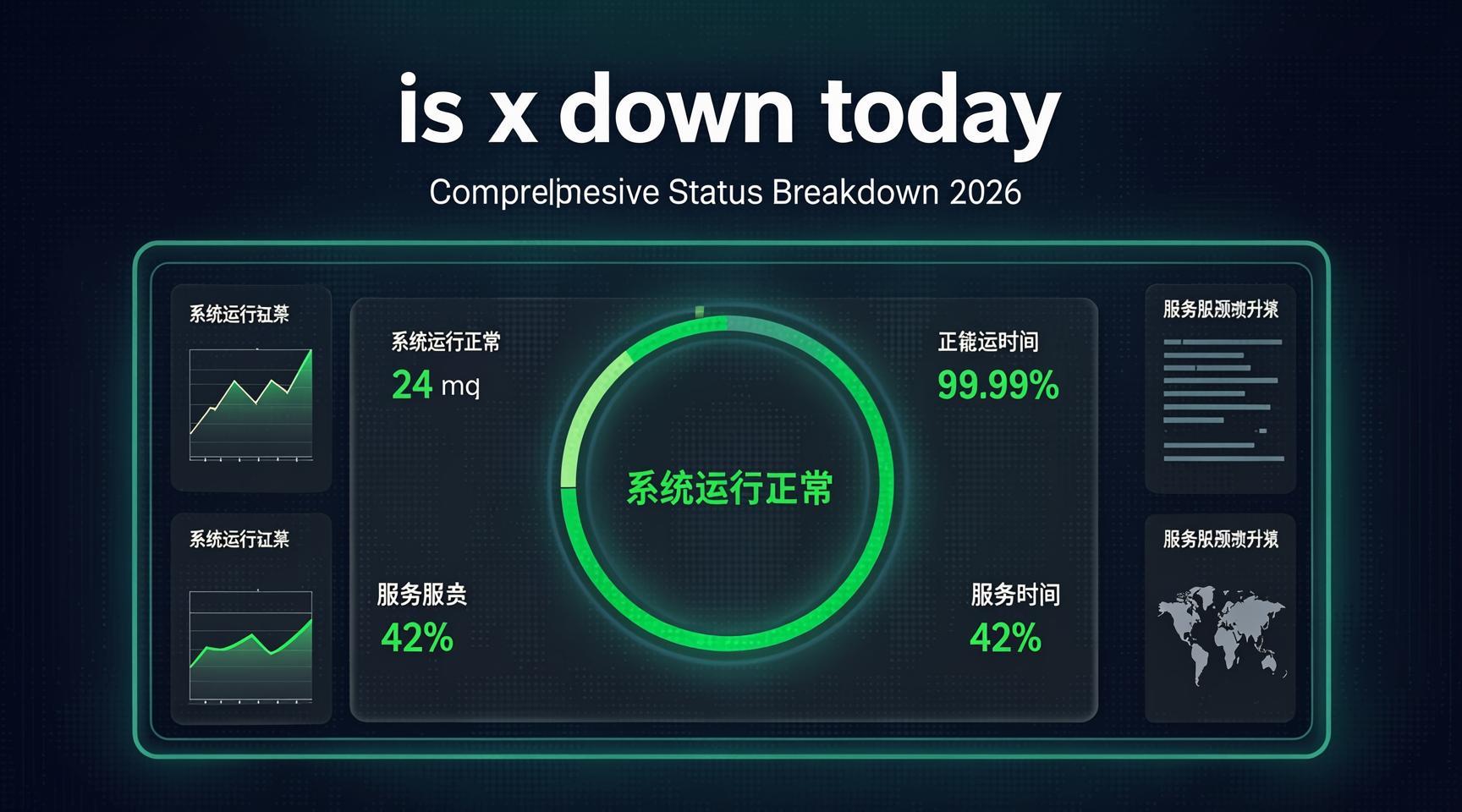
Digital platforms move markets. When users suddenly begin searching is x down today, it signals more than technical frustration. It often reflects disruption, uncertainty, and in some cases, measurable financial consequences. In a connected economy, platform stability directly influences user trust, advertising flow, and market performance.
Whether the concern involves trading interruptions, communication breakdowns, or delayed transactions, service outages can trigger ripple effects across industries. For traders, analysts, and business professionals, understanding how to evaluate downtime events is critical.
This in-depth market analysis explores how to verify service outages, identify root causes, assess financial implications, and interpret user sentiment when questions about availability emerge.
What Does It Mean When Users Ask Is X Down Today
When search queries spike around availability concerns, it usually reflects sudden accessibility issues. These may include login failures, slow loading speeds, payment processing errors, or regional access interruptions.
In market analysis terms, high-frequency outage searches indicate potential service instability. Analysts monitor these signals to gauge operational risk and short-term market reaction.
Definition in Market Context
From a market perspective, service downtime refers to temporary disruption in digital operations that affects user activity, revenue generation, or transaction flow. Even brief interruptions can influence investor sentiment and public perception.
How to Verify Real Time Service Status
Before drawing conclusions, verifying platform status is essential. Outages may be localized, device-specific, or regionally restricted.
- Check official service status pages
- Monitor user report aggregation sites
- Review social media updates
- Confirm through multiple network connections
- Track system response times
Relying on a single source can produce misleading conclusions. Cross-referencing data improves accuracy.
| Verification Method | Speed | Reliability |
|---|---|---|
| Official Status Page | Immediate | High |
| User Report Platforms | Fast | Moderate |
| Social Media Mentions | Instant | Variable |
| Network Diagnostics | Moderate | High |
Common Causes of Platform Outages
Service interruptions can result from technical, operational, or external factors. Identifying the root cause determines whether the issue is short-lived or systemic.
Technical Factors
- Server overload
- Software deployment errors
- Cloud infrastructure misconfigurations
- Database synchronization failures
External Factors
- Cybersecurity incidents
- Network provider disruptions
- Regional power outages
- Unexpected traffic surges
Industry trends suggest that traffic spikes during major announcements or market events can stress digital infrastructure beyond expected capacity.
Market Impact of Service Disruptions
Outages often influence short-term trading behavior. Investors may react quickly to operational instability, especially if the affected platform plays a central role in financial transactions or advertising revenue.
Immediate effects can include:
- Temporary stock price volatility
- Increased trading volume
- Short-term sentiment shifts
- Speculative market commentary
However, not every disruption results in long-term financial damage. Market responses depend on outage duration, transparency, and recovery speed.
Short Duration vs Extended Outage
Short disruptions often resolve without lasting market impact. Extended downtime may influence quarterly performance or investor confidence if revenue streams are affected.
User Sentiment and Search Trend Analysis
Search volume spikes provide valuable behavioral insight. When large numbers of users simultaneously search availability queries, analysts interpret it as a collective response to disruption.
Sentiment analysis tools can measure whether public reaction is neutral, frustrated, or alarmed. This helps predict potential market response.
- Volume increase signals widespread access concern
- Negative sentiment suggests dissatisfaction
- Rapid decline in searches indicates resolution
Tracking these patterns helps analysts contextualize technical events within broader behavioral trends.
Infrastructure Stability and Risk Factors
Digital platforms rely on distributed infrastructure. Redundancy, load balancing, and geographic server distribution influence resilience.
Key stability indicators include:
- Data center redundancy
- Cloud provider diversification
- Automated failover systems
- Routine stress testing
Platforms with diversified infrastructure typically recover more quickly from localized failures.
Comparing Short Term vs Long Term Effects
Short-term effects focus on immediate user frustration and trading volatility. Long-term effects depend on structural weaknesses or repeated instability.
Repeated downtime incidents may:
- Reduce user trust
- Increase competitor adoption
- Trigger investor scrutiny
- Prompt regulatory questions
Conversely, transparent communication and rapid resolution often mitigate lasting damage.
Monitoring Tools and Data Sources
Professional analysts combine multiple data sources when evaluating outage impact.
- Traffic analytics platforms
- Search trend monitoring tools
- Network latency dashboards
- Financial market data feeds
- User sentiment aggregators
Integrating technical performance metrics with financial indicators provides a clearer overall picture.
Frequently Asked Questions
How can I confirm is x down today accurately?
Check official status pages, cross-reference user reports, and verify through independent network testing before assuming a widespread outage.
Do outages always affect stock prices?
Not always. Minor or quickly resolved disruptions may produce minimal market reaction.
How long do most outages last?
Duration varies depending on root cause. Many disruptions resolve within hours, while complex issues may take longer.
Should investors react immediately to outage news?
Market reactions depend on context, duration, and communication transparency. Short-term volatility does not always reflect long-term impact.
Can user search spikes predict market behavior?
High search volume often signals widespread concern, which can influence short-term sentiment-driven trading.
Are repeated outages more concerning?
Yes. Recurring disruptions may indicate structural weaknesses that warrant closer evaluation.
What role does infrastructure redundancy play?
Redundant systems reduce downtime risk and help platforms recover more quickly from technical failures.
Does geographic location affect outages?
Regional network issues can impact specific user groups while leaving other areas unaffected.
Conclusion
When users ask is x down today, the question reflects both technical concern and potential market implications. In a digital economy, service reliability influences user trust, trading behavior, and revenue continuity.
By evaluating verification sources, understanding root causes, and analyzing behavioral signals, market professionals can interpret downtime events more accurately. While short-term volatility may accompany disruptions, long-term outcomes depend on structural resilience and response effectiveness.
Careful analysis ensures that temporary service issues are assessed within proper operational and financial context rather than emotional reaction.


![Moneynewsweb [Passive Income Trends 2026] - Coinflect](https://coinflect.com/wp-content/uploads/2026/02/2027275777392775168-300x167.jpg)